Source CE Certified Manual Dip Stand for Home, Gym, and Community
Find a CE certified manual dip stand for home, gymnasium, and community use. Compare 30 steel models with varying dimensions and certifications like ISO and RoHS to find the right equipment for your facility; compare the available evidence and request quotations based on your requirements.
Key considerations
Products List






Comprehensive Sourcing Guide
CE Certified Manual Dip Stand Sourcing Guide
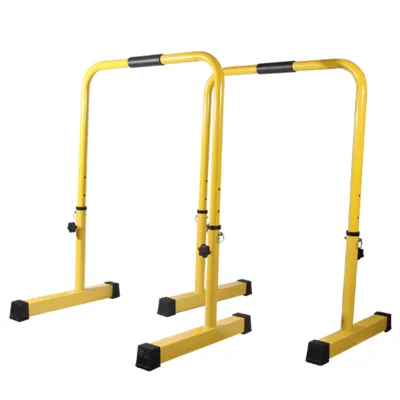
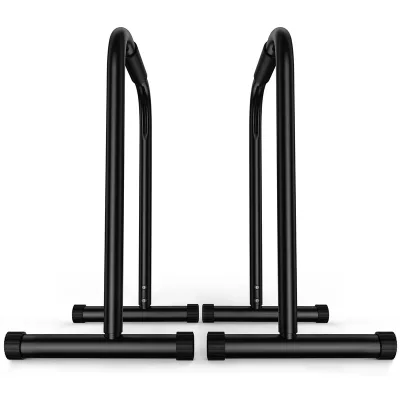
Procuring a CE certified manual dip stand requires careful evaluation of the product's structural integrity and its intended usage environment. These units are primarily designed for adult users in home, gymnasium, and community settings, focusing on arm exercise routines. Buyers must verify that the specific model selected matches the required application, whether it is for a public park or a private fitness center, as the load-bearing capacity and stability requirements vary significantly between these locations.
The manual power source indicates that the equipment relies entirely on user body weight for resistance, eliminating the need for electrical components or complex mechanical systems. This simplicity often translates to lower maintenance needs but demands rigorous attention to the material quality, typically steel, to ensure long-term durability. Sourcing teams should prioritize suppliers who can demonstrate consistent manufacturing standards for these manual units, ensuring that the foldable or unfolded configurations meet the spatial constraints of the intended facility.
Product Scope and Observed Listing Signals
The market for manual dip stands presents a wide range of options, with observed listing prices spanning from 3 to 5000 USD, reflecting differences in material thickness, finish quality, and included accessories. The minimum order quantities (MOQ) vary considerably, ranging from single units for sample testing to bulk orders of up to 800 pieces for large-scale distribution. Buyers should analyze the specific model numbers, such as HQ-F1026 or MB-24086, to understand the distinct features and packaging requirements associated with each variant before committing to a purchase volume.
Product attributes indicate that these units are generally available in a standard color palette, though customization options are frequently offered to meet branding needs. The packaging methods differ by model, with some units shipped in sturdy plywood cases for heavy-duty transport while others utilize standard carton boxes or brown boxes for cost efficiency. Understanding these logistical details is crucial for budgeting shipping costs and ensuring that the equipment arrives without damage, particularly when ordering multiple units for a single facility.
Technical Specifications to Verify
Technical verification must begin with the physical dimensions and weight capacity of the dip stand, as these factors directly impact user safety and facility layout. Observed specifications include standard sizes like 866380cm and larger configurations reaching 159011751670mm, with maximum capacities reported up to 300 kilograms. Buyers should confirm the exact height range, typically between 80-90cm, and the length dimensions to ensure the equipment fits the designated exercise area without obstructing movement or other gym equipment.
Material composition is another critical specification, with steel being the predominant material used for the frame to provide necessary rigidity and longevity. The net weight of individual units can range from 9.5 kg to 20 kg, influencing both the portability of the stand and the stability required during intense workout sessions. It is essential to cross-reference the listed gross weight and package dimensions, such as 76658cm, to accurately calculate freight costs and determine if the packaging meets the storage requirements of the destination warehouse.
Compliance and Safety Documentation
Compliance with international safety standards is non-negotiable when sourcing fitness equipment for commercial or public use. The supplied data confirms that many units carry CE, ISO, and RoHS certifications, which are vital for demonstrating adherence to European safety directives and environmental regulations. Buyers must request valid certification documents for the specific model being purchased, ensuring that the certification covers the exact configuration and material composition of the unit to avoid potential liability issues during audits or inspections.
Safety documentation should also include detailed user manuals and assembly instructions that clearly outline the weight limits and proper usage techniques. Since these are manual dip stands, the absence of electrical components simplifies some safety checks, but the mechanical stability of the steel frame remains a primary concern. Procurement teams should verify that the supplier provides evidence of structural testing, particularly for models intended for high-traffic community or gymnasium environments where the equipment will undergo frequent and rigorous use.
Cost Drivers and Commercial Terms
The final cost of a manual dip stand is influenced by several factors, including the complexity of the customization, the thickness of the steel used, and the chosen packaging method. While base prices can be quite low, significant cost increases occur when buyers request custom colors, specific dimensions, or reinforced structures to meet higher weight capacities. Understanding these cost drivers allows buyers to negotiate effectively, balancing the need for durability with budget constraints to secure the best value for their specific procurement goals.
Commercial terms often include a payment structure requiring a 30% deposit followed by a 70% balance upon completion or shipment. This standard arrangement helps mitigate risk for both the supplier and the buyer, ensuring that production begins only after initial funding is secured. Buyers should also clarify the lead times and shipping terms, as the origin location, typically China or Hebei, can impact transit duration and final landed costs, making it essential to factor these variables into the overall project timeline and budget.
Supplier Qualification and Quality Control
Supplier qualification involves a thorough assessment of their manufacturing capabilities and their track record in producing certified fitness equipment. Buyers should verify that the supplier has a proven history of exporting to the target market and can provide references from previous clients who have purchased similar manual dip stands. This due diligence helps ensure that the supplier can consistently meet quality expectations and handle the logistical challenges associated with international shipping and customs clearance.
Quality control processes must be robust, covering every stage from raw material inspection to final packaging. Given that the products are made of steel and intended for heavy use, suppliers should implement strict checks on weld quality, surface finishing, and dimensional accuracy. Buyers are advised to request pre-shipment inspection reports or arrange for third-party inspections to verify that the finished goods match the agreed-upon specifications and certifications before the final payment is released.
Long-Term Procurement Checks
Establishing a long-term procurement relationship requires ongoing monitoring of product performance and supplier reliability. Buyers should implement a system for tracking the durability of the dip stands in their facilities, noting any signs of wear, structural fatigue, or coating degradation over time. This data is invaluable for future purchasing decisions, allowing the procurement team to identify which models and suppliers offer the best longevity and return on investment for their specific application needs.
Regular communication with the supplier is essential to address any emerging issues or to discuss potential product improvements. As the market evolves, suppliers may introduce new materials or designs that offer enhanced safety or user experience. Maintaining an open dialogue ensures that the buyer remains informed about these developments and can adapt their procurement strategy to incorporate the latest innovations, thereby keeping their fitness facilities competitive and safe for all users.
FAQs
What certifications do these dip stands have?
These dip stands typically hold CE, ISO, and RoHS certifications. This ensures compliance with international safety and environmental standards. Buyers should verify specific certificates for each model, as some items may only list CE and RoHS. Always request valid documentation from the supplier before finalizing orders to ensure regulatory adherence.
Can I customize the specifications of the dip stand?
Yes, customization is available for many models. Suppliers offer options for adjusted dimensions, colors, and packaging types like plywood cases or cartons. You can request specific sizes or branding. Confirm the customization scope and any associated costs with the manufacturer to ensure the final product meets your exact facility requirements.
What is the typical MOQ for these products?
The minimum order quantity varies by supplier and model. Some listings indicate an MOQ of 100 pieces, while others may accept lower quantities. Check the specific product page for the exact MOQ. Bulk orders often yield better pricing, so verify the threshold with the vendor to optimize your procurement strategy.
How much weight can the dip stand support?
Maximum capacity varies by model, with some units supporting up to 300 kilograms. The weight capacity depends on the steel construction and design. Always check the specific product specifications for the exact limit. Ensure the selected model meets the safety requirements for your intended users and gym environment.
Where are these dip stands manufactured?
These products are primarily manufactured in China, with specific origins noted in regions like Hebei. The manufacturing location influences shipping logistics and lead times. Buyers should confirm the exact origin for each order to calculate accurate freight costs and delivery schedules. Verify the supplier's location for transparent sourcing.
What payment terms are commonly used?
Common payment terms include a 30% deposit and a 70% balance before shipment. This structure is standard for many B2B transactions. Confirm the exact payment schedule with the supplier. Secure payment methods and clear terms protect both parties. Always review the contract details to ensure alignment with your company's financial policies.